
Medicare Advantage plans may call members about plan business and people who asked, but never cold calls, robocalls, texts or voicemails. From 1 October 2026, third-party marketers keep sales calls six years, and those for several insurers give the disclaimer before benefits. Dograh, the open-source AI voice agent platform you can self-host or use on Dograh Cloud, sets calling hours.
Key Takeaways
- Unsolicited sales calls, robocalls, texts and voicemails stay off limits for plans.
- Third-party marketers selling for more than one Medicare Advantage organization give the disclaimer before benefits.
- Third-party marketers record sales calls in full and keep them six years.
The contract year 2027 Medicare rules loosened some marketing timing and left the calling limits standing. We cover what changed, which outbound calls are allowed, consent for AI voices and the disclaimer and recording duties. Then we talk about how Dograh sets calling hours and where call data sits.
What changed for contract year 2027
The rules come from one final rule. CMS's contract year 2027 final rule was published on 6 April 2026 and took effect on 1 June 2026 for coverage starting 1 January 2027. Its marketing and communications policies apply to all contract year 2027 marketing and communications from 1 October 2026.
Most of the marketing changes remove timing rules. The 48-hour wait between a Scope of Appointment and a personal marketing appointment is gone. So is the 12-hour gap between an educational event and a marketing event in the same place, and the ban on collecting Scope of Appointment forms at educational events.
Two changes matter most for calls. The disclaimer that third-party marketers selling for more than one Medicare Advantage organization give moved from the first minute of a sales call to before any discussion of benefits, and the recording rule for all third-party marketers was rewritten. Both are covered below.
What did not change is the line on who may be called. The ban on unsolicited contact stands as it was, so an AI agent placing outbound calls follows the same limits a human agent did in 2026.
Which outbound calls a plan may make
Unsolicited sales calls are restricted. The Medicare Advantage rules on contacting beneficiaries bar plans from using cold calls, robocalls, text messages or voicemail messages for unsolicited contact. That includes calls based on referrals, calls to former members other than disenrollment surveys, calls to people who attended a sales event without their express permission and calls to confirm that someone received mailed information.
A call is not unsolicited when the person agreed to it or contacted the plan first. Returning a beneficiary's call, or calling someone who asked to be contacted, such as through a reply card, is allowed.
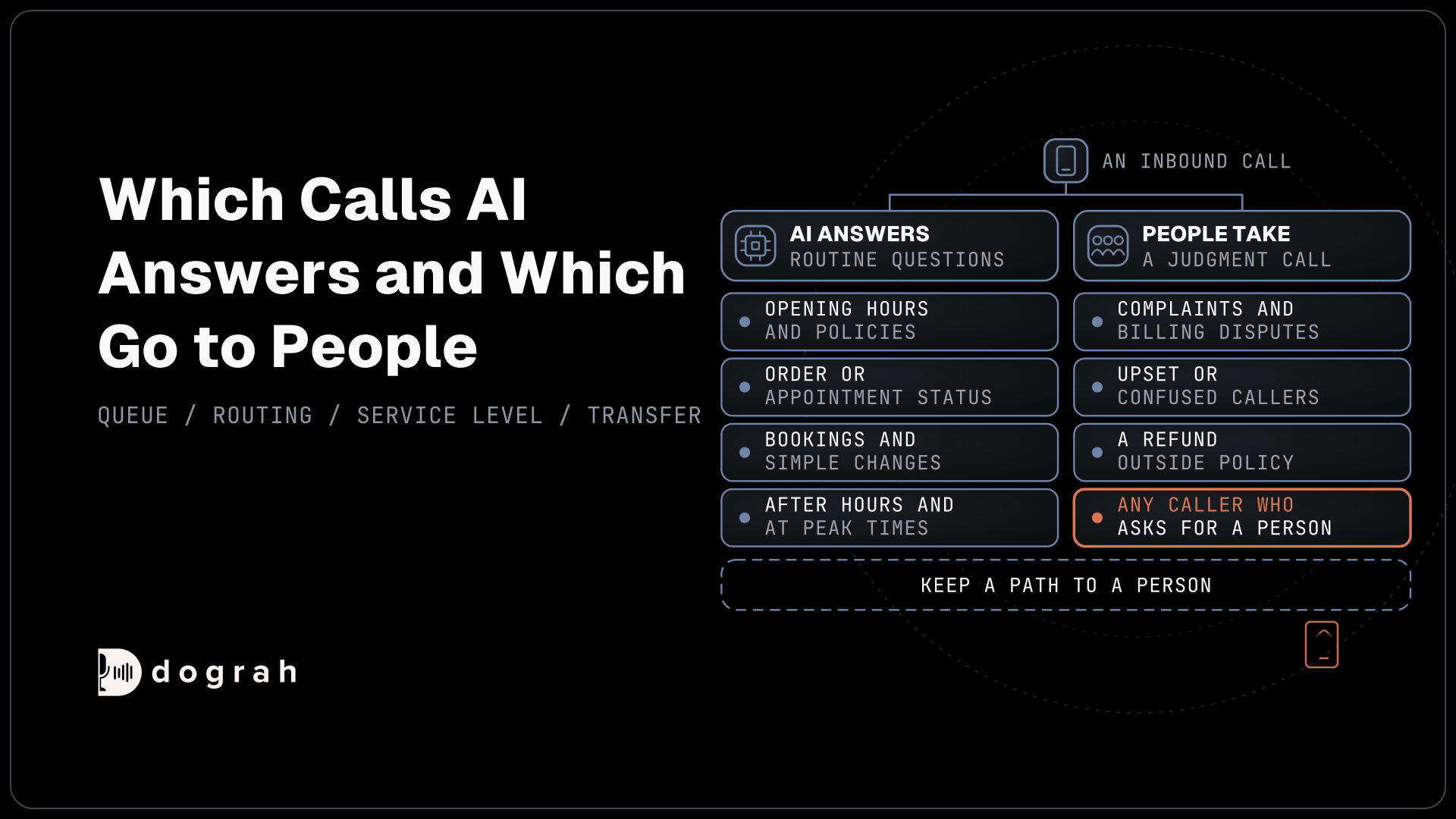
Current members are a separate case. A plan may call its own members about plan business, and must tell them in writing at least once a year that they can opt out of those calls. It may not make unsolicited calls about its other lines of business as a way to generate leads for Medicare plans. Our post on AI voice agents for health plans covers member calls in depth, including the verify step before any plan detail is shared.
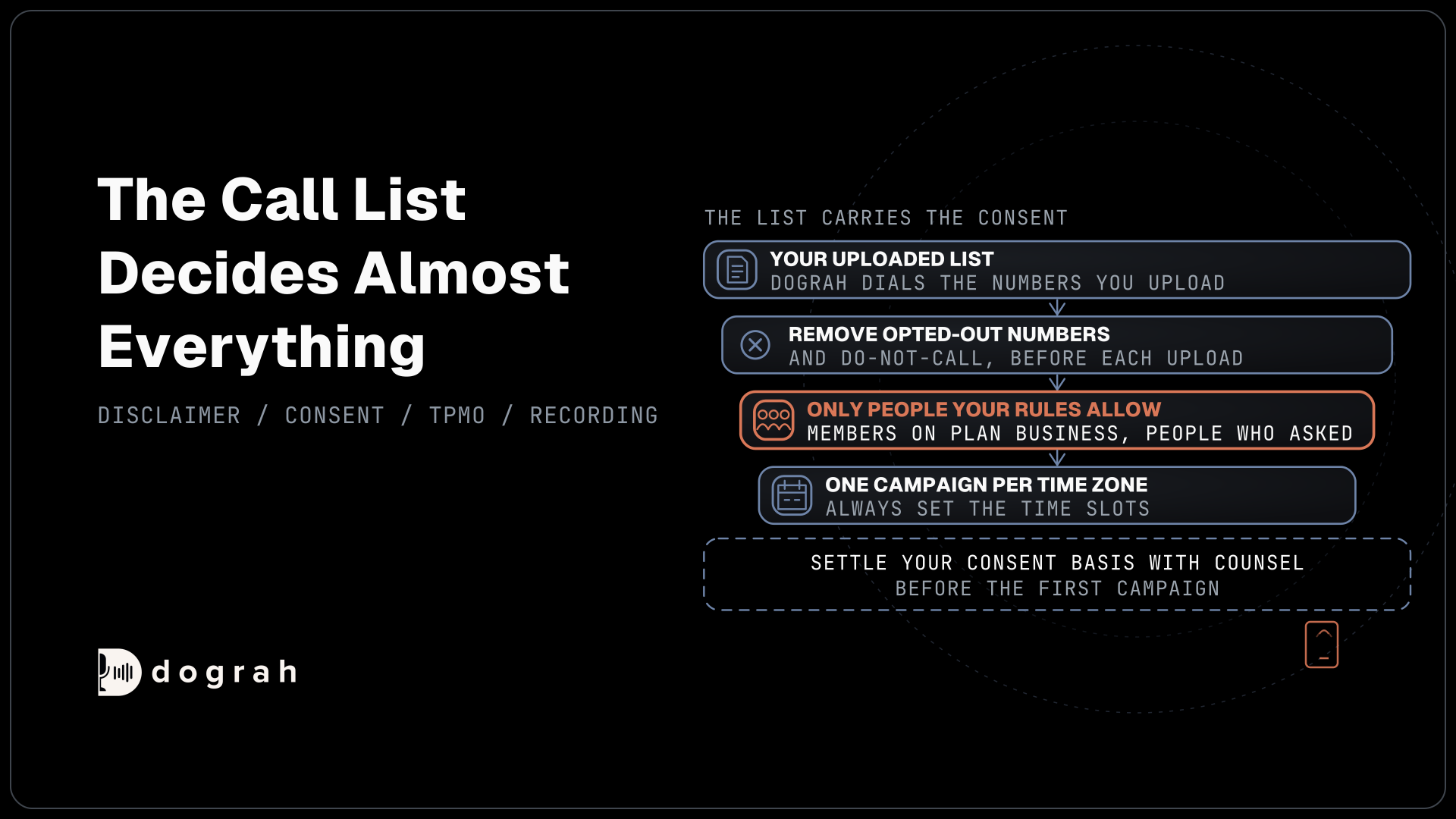
For an AI agent, this means the call list decides almost everything. An agent that dials only current members about plan business and people who asked to hear from you meets the Medicare contact limits, while an agent working a bought lead list does not. The AI voice consent and calling rules in the next section still apply on top.
Consent rules for AI voices
AI voices bring federal calling rules on top of the Medicare ones. The FCC's ruling on AI-generated voices, released 8 February 2024, treats them as an artificial voice under the Telephone Consumer Protection Act (TCPA). An artificial-voice call to a mobile needs the person's prior express consent, and an artificial-voice telemarketing call needs prior express written consent, on a mobile or a home line.
Every artificial-voice message must name the business responsible at the start and give a phone number. Telephone solicitations may go out only between 8 a.m. and 9 p.m. at the called person's location, and never to numbers on the national do-not-call registry without the right consent or relationship. Our post on whether AI phone calls are legal covers the wider consent picture, and our outbound calling rules for voice agents cover state calling windows and stop requests.

Open Source Alternative to Vapi / Retell
Self-hosted voice agent platform — no per-minute fees
dograh-hq/dograh
Star on GitHub
The disclaimer comes before any talk of benefits
The disclaimer rule applies to third-party marketing organizations (TPMOs) that sell plans for more than one Medicare Advantage organization. Under the required disclaimer rules, such a TPMO conveys the standardized disclaimer verbally during sales calls before any discussion of benefits. That replaced the old rule that put it within the first minute.
The timing now follows the conversation rather than the clock. If a call never reaches benefits, CMS does not expect the disclaimer on it. If a caller asks about dental coverage in the first ten seconds, the disclaimer has to come before the answer.
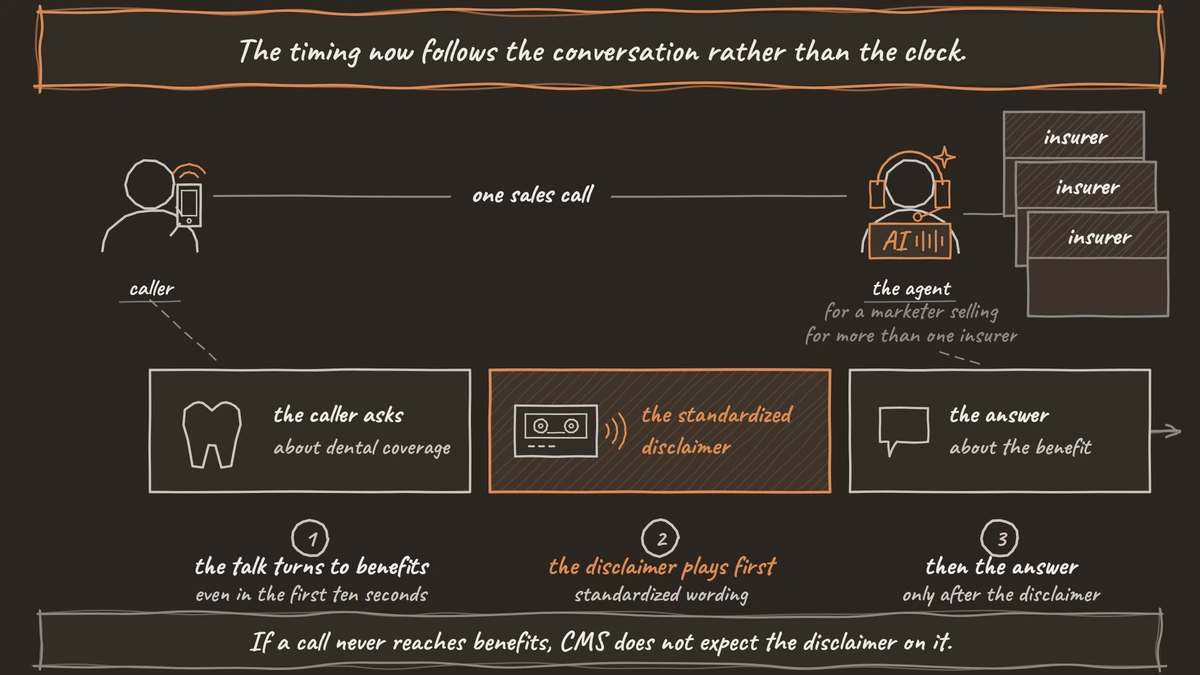
Our reading is that this suits a fixed line better than generated speech. The disclaimer is standardized wording, and a language model writes its own sentences, so an AI agent should play it as fixed text or a recording at the point the call turns to benefits.
Recording, lead hand-offs and an open question
The recording rule is also a TPMO duty, which plans must write into their contracts with each TPMO. Under the rules for agents, brokers and third-party marketers, a TPMO records all marketing and sales calls in full, including the audio of calls held over web-based technology, and keeps them for at least six years. Audio is kept for the first three years, and audio or a complete and accurate transcript for years four to six.
It covers every marketing and sales call, not only the ones that end in an enrollment. If your recording or retention setup keeps less than that, it falls short of the rule. Enrollment records did not shrink to six years. Under the general Medicare Advantage record rule, 42 CFR 422.504(d), they stay at 10 years, and that includes the enrollment part of a phone call, so keep that part for 10 years even after the rest of the sales call may go.
Lead generation brings two spoken disclosures. A TPMO tells the person on the call that their information will go to a licensed agent for future contact, and when it hands them over, that they are being transferred to a licensed agent who can enroll them. Sharing the person's data with another TPMO needs their prior express written consent, naming each company that receives it. Recording consent under state law is a separate question, covered in our post on call recording consent laws.
The rule does not say whether an AI agent placing these calls counts as a TPMO, an agent or broker, or part of the plan's own systems, and the answer decides which duties apply to it. Settle that, and your consent basis, with counsel before the first campaign.
Join the Dograh Community
Dograh is an OSS alternative to Vapi. Join our Slack community for queries, releases, best practices & community interactions.
Setting calling hours and fixed lines in Dograh
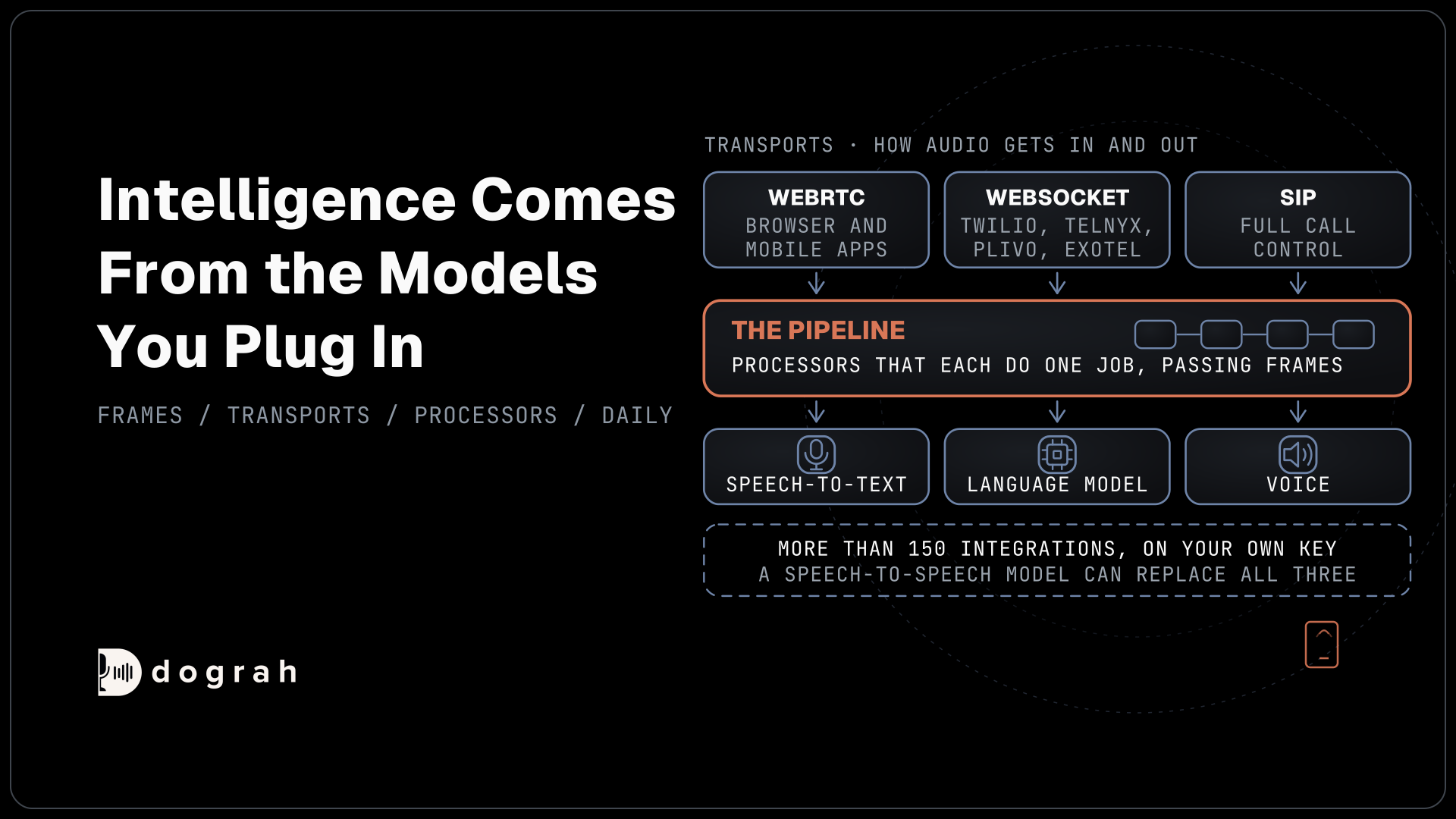
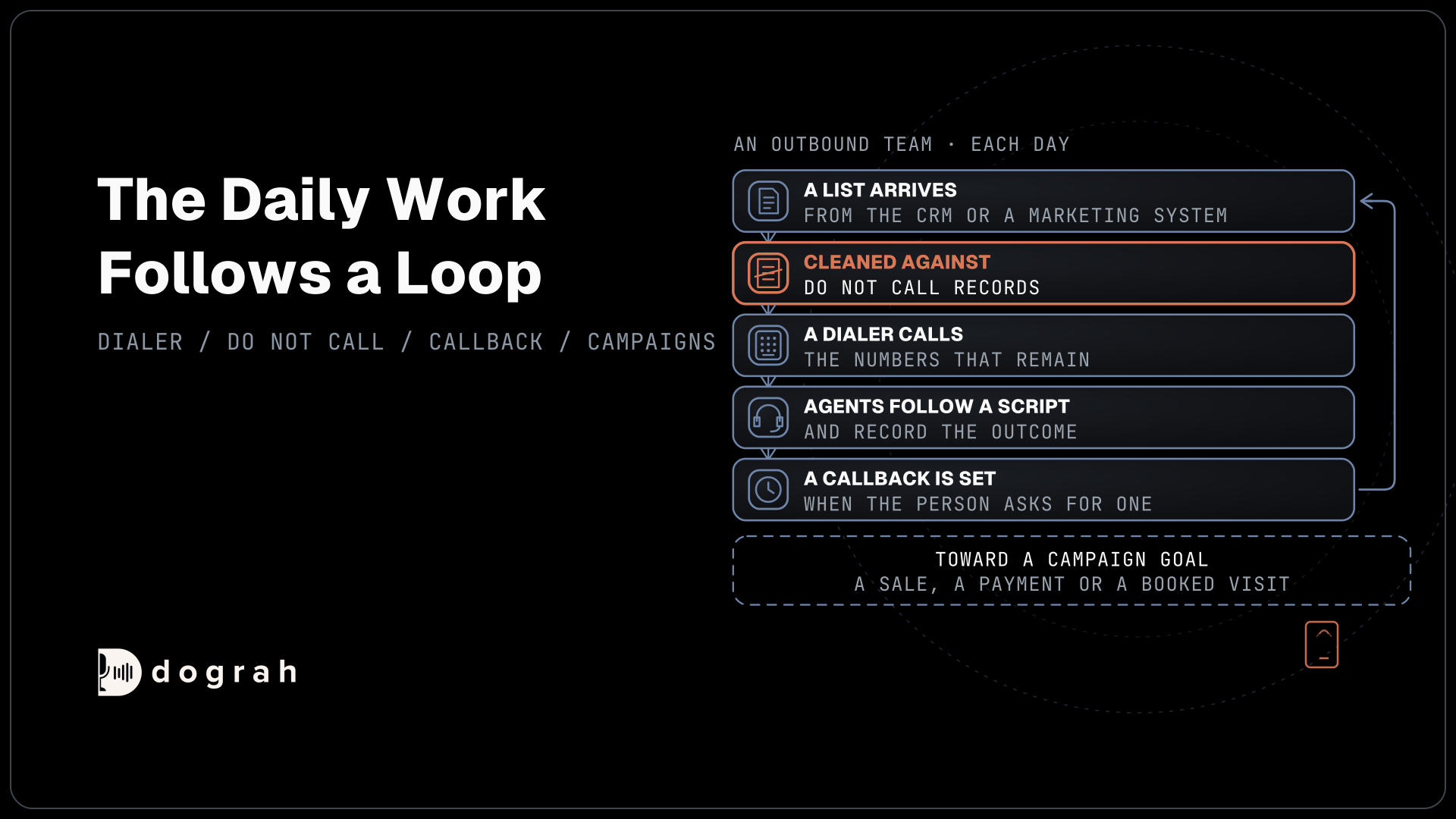
Dograh gives you control over when calls go out and what is said word for word, while compliance stays with your team. Outbound calls run as Campaigns, and each campaign's Call Schedule has one time zone and time slots by weekday. Always set the slots, since a campaign with none dials continuously once it starts, and split a list that spans time zones into one campaign per zone. The list also carries the consent. Dograh dials the numbers you upload, so remove opted-out and do-not-call numbers before each upload and include only people your rules allow you to call. Retries are set per campaign, from 0 to 10. If a member asks to stop on the call, the prompt has the agent confirm it and write the request to your list through an HTTP API tool.
Fixed wording goes where it plays exactly. The plan's name goes in the Greeting Text of the Start Call node, which plays word for word, and switching off Allow Greeting Interruption makes the whole line play. The standardized disclaimer can sit in a pathway's Transition Speech or a recording, at the step where benefits come up.
The licensed-agent line fits the transfer itself. Transfer Call, which works on Twilio, Telnyx, Plivo, Cloudonix and Asterisk ARI, takes one start message spoken before the transfer, so that message can tell the caller they are being transferred to a licensed agent. Dograh calls the destination first and connects the caller only when someone answers.
After launch, a QA node can review a sample of calls with a check such as "did any benefit come up before the disclaimer". It flags calls for your compliance team to review. It does not prove compliance.
Where recordings and transcripts live
When you self-host Dograh on your own servers, recordings and transcripts go to your own MinIO or S3 storage. How long they stay is set by your own storage policy, which is where the six-year rule for sales calls and the 10-year rule for enrollment records live, since recordings stay until your team deletes them. Recording upload can be switched off only server-wide, and transcripts are saved either way.
The speech and language models are a separate choice from where Dograh runs, and that choice decides who else hears member calls. Hosted models on your own keys mean your agreement is with that provider, while the audio still reaches it. Self-hosting means no BAA with Dograh. A model provider that hears protected health information may need its own, a cloud host such as AWS needs one if the servers run there, and the phone carrier may need one depending on what it stores. Running it yourself also means your team pays for the servers, the model keys and the phone minutes, and looks after the database and upgrades.
Glossary
- Third-party marketing organization (TPMO)
- A company or person, other than the plan, that markets or sells Medicare Advantage plans, such as a broker or a lead generator. The recording duty falls on every TPMO, and the disclaimer on those selling for more than one Medicare Advantage organization.
- Unsolicited contact
- A call, text or voicemail a plan starts without the person's agreement or request. Plans may not use cold calls, robocalls, texts or voicemails for it.
- Plan business call
- A call to a current member about their existing plan. It is allowed, with a written notice at least once a year that the member can opt out.
- Standardized disclaimer
- Fixed wording set by CMS that tells the caller which plans the marketer represents. TPMOs selling for more than one Medicare Advantage organization give it before any discussion of benefits.