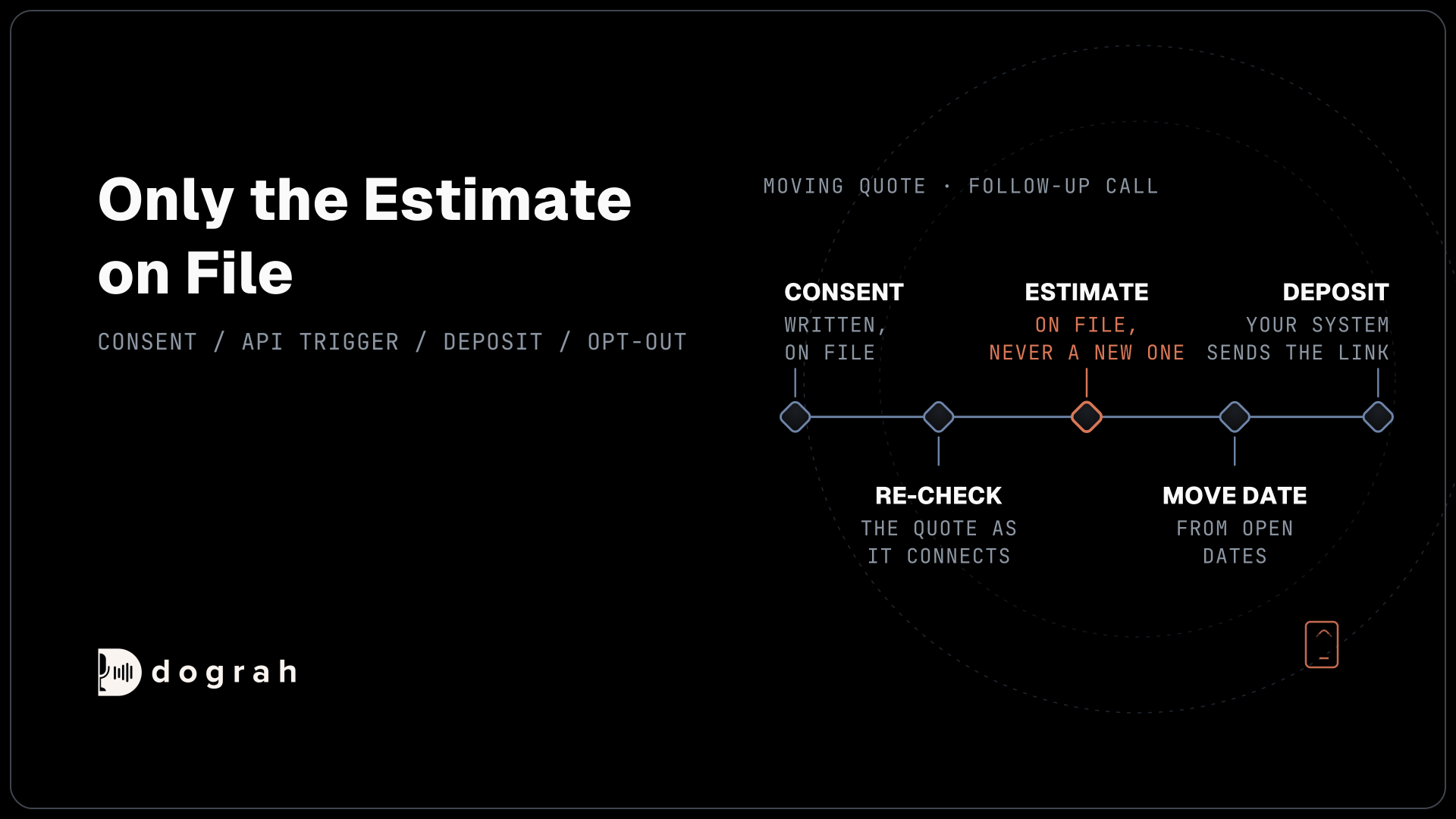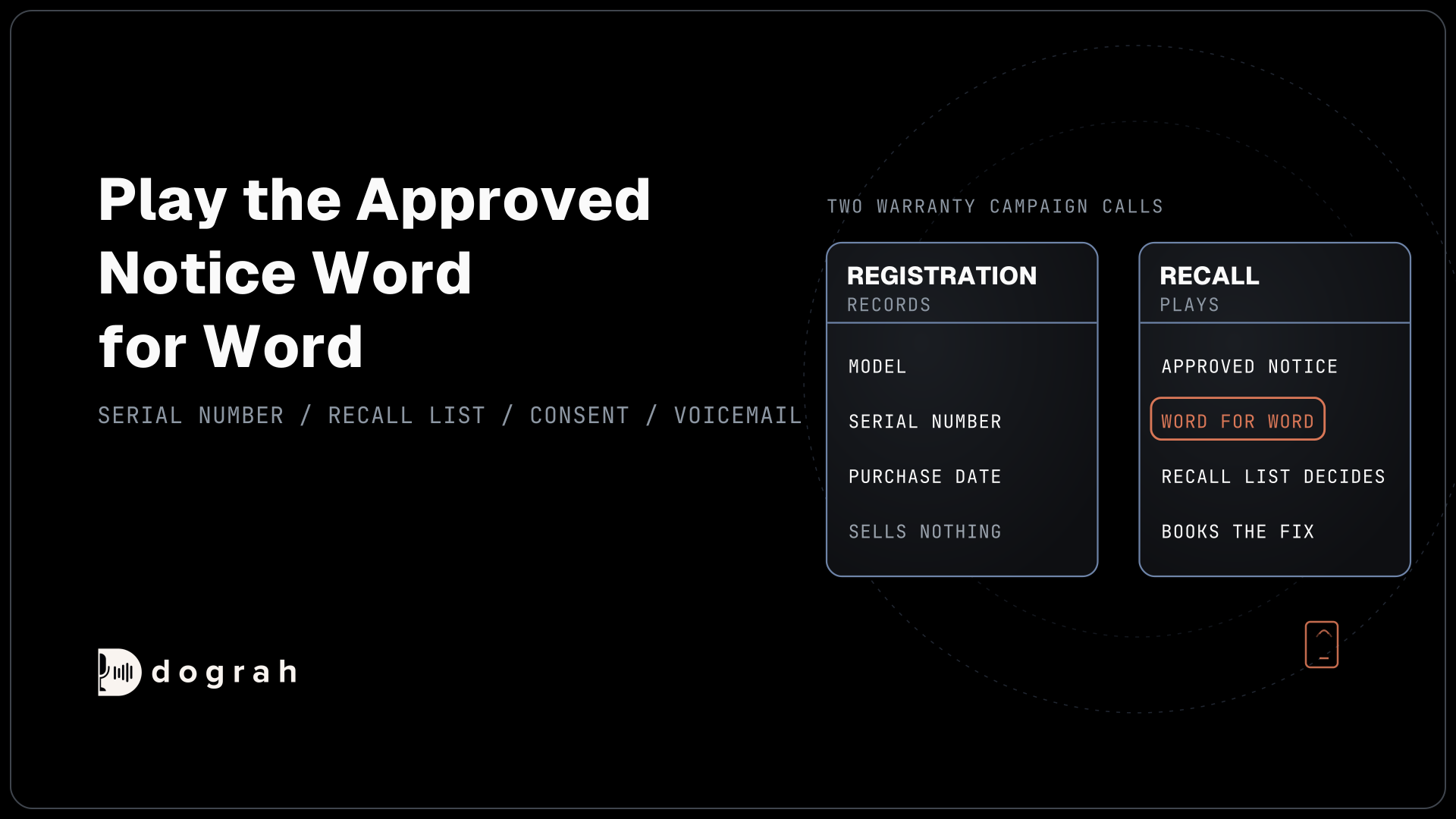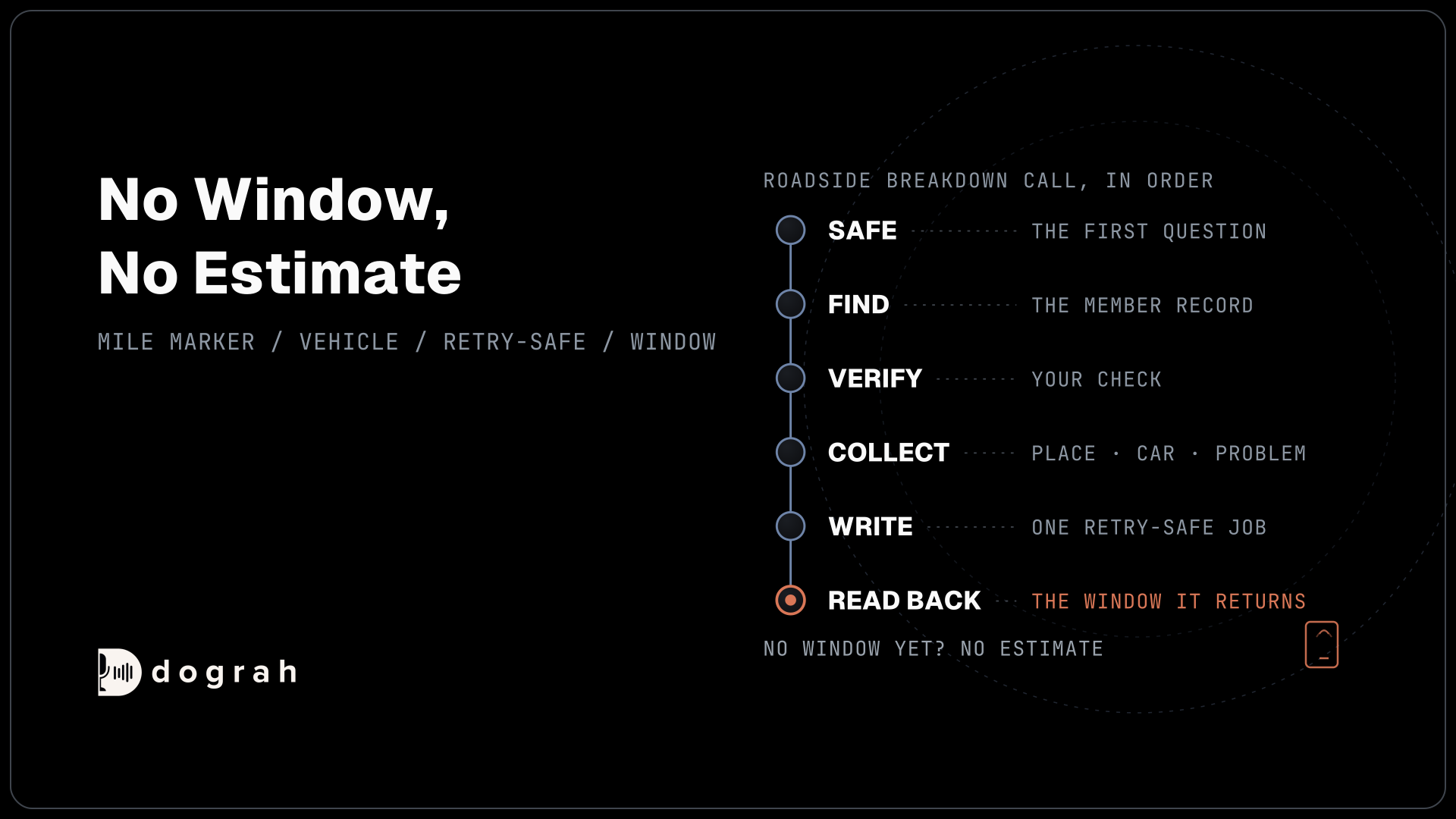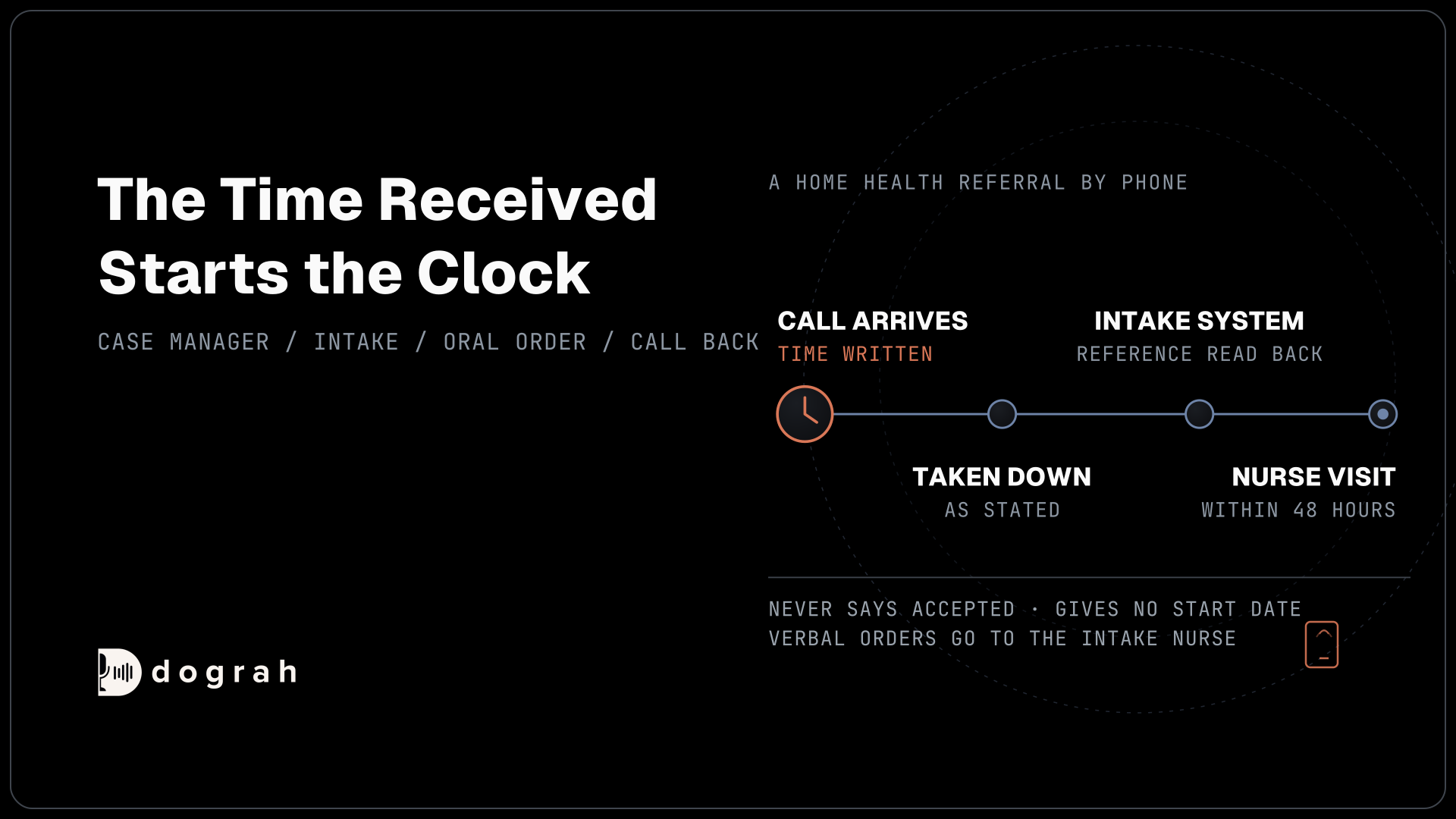

AI voice agents for referral intake in home health and hospice answer calls from hospital case managers and physician offices. The agent records each referral as stated and writes it to your intake system with the time it arrived. It never accepts a referral or promises a start date, and any verbal order goes to a nurse.
Key Takeaways
- Write the time each referral arrives. The 48-hour assessment clock starts there.
- A verbal order goes to the intake nurse, never into the agent's notes.
- The agent never tells a referral source that the patient is accepted.
This post is part of our guide to AI Voice Agents for Home Health & Hospice, where the agent takes a referral down and never accepts it. Below, we cover what to collect. Then we set up the intake call in Dograh, the open-source AI voice agent platform we build.
Who calls with a referral, and when
Most referrals reach an agency as documents, and the phone carries the part that documents can't. Hospitals and physician offices send referral packets by fax or through a portal. The calls come from case managers who want an answer before discharge, often after hours, and from physician offices with a new patient.
Speed matters because the patient has a choice. The hospital discharge planning rule requires a hospital to give a patient who needs home health a list of agencies and to respect the patient's choice where it can. A case manager working down that list moves on when nobody answers.
Point each referral number's Inbound workflow at the intake agent. Pre-Call Data Fetch sends the calling number as the call connects, so your intake system can return the record of a hospital or practice it already knows. That number finds a record. It doesn't prove who is calling, so the agent still asks for the caller's name, role and a callback number.
What the agent collects on each referral
The agent takes down what your intake team needs to start, and nothing it would have to judge. That means the referral source's name, role and callback number, then the patient's name, date of birth, address and phone. It also covers the services ordered, such as nursing, therapy, an aide or hospice, and the ordering practitioner. Last come the expected discharge date or requested start, the payer as the caller names it, and whether face-to-face notes and orders are being sent, and how.
The time received matters most. Medicare's home health assessment rule requires a registered nurse's initial assessment visit within 48 hours of the referral, or of the patient's return home, unless the physician orders a different start of care date. So the agent writes the time received with the referral, and the intake nurse sees the clock on the record.
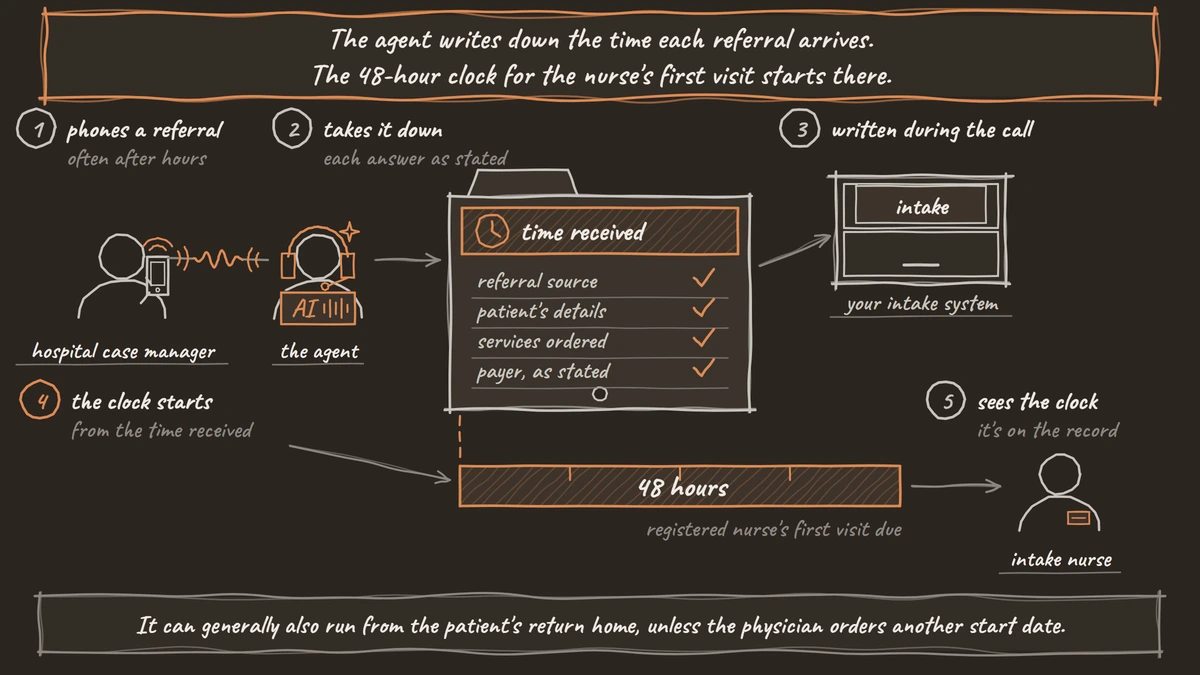
The agent records each answer as the caller stated it. Extraction is an AI step, so the transcript and recording stay the exact record if a name or a date of birth needs checking. HIPAA lets one provider share patient details with another for treatment, so a case manager can generally give them by phone. The rule runs one way, though. Before your agent reads anything back from your records, it verifies who is calling.

Open Source Alternative to Vapi / Retell
Self-hosted voice agent platform — no per-minute fees
dograh-hq/dograh
Star on GitHub
What the agent never does
Some decisions stay with your clinicians whatever the caller asks, and each one needs its own line in the prompt. The agent never takes a verbal order. Medicare's plan of care rule lets only a nurse or therapist allowed by law and your agency's policy accept an oral order, and that person puts it in writing. When a physician's office starts to give one, the agent records that an order is waiting and transfers the caller to the intake nurse.
The agent never says the patient is accepted or eligible, and never gives a start date. It says the intake team will confirm. If the caller mentions face-to-face notes, the agent records whether they are being sent and how. It never judges whether they are enough.
Hospice referrals need one more line. The agent records the diagnosis and prognosis only as the referring clinician states them, and never discusses them with the family. Medicare's hospice admission rule leaves the decision to the hospice medical director or a physician designee, after reviewing the clinical information. These rules shape the prompt, so confirm your agency's reading of them with counsel.
Writing the referral and handing over
The referral goes into your intake system during the call, so nothing waits for a person to type it up. An HTTP API tool sends the fields to your intake endpoint, and the endpoint returns a reference number the agent can read to the caller.
That tool hands the whole response to the language model, so the endpoint should return only what the agent may say, such as "received" and the reference. A write can be sent twice after a slow reply. Add a Preset Parameter named workflow_run_id with the value {{initial_context.workflow_run_id}}, and your system uses that ID to keep one referral. The tool waits 5 seconds by default and doesn't retry, so tell the agent in the prompt to read the reference only after the write succeeds.
Clinical questions and verbal orders go to the intake nurse with Transfer Call, which works on Twilio, Telnyx, Plivo, Cloudonix and Asterisk ARI. Dograh calls the nurse first and connects the caller only when someone answers. On Twilio, it can play a short spoken introduction to both people before connecting them. No summary travels with the call by default, so the agent writes the details first. If nobody answers within 30 seconds, the default, the agent writes a callback request.
Join the Dograh Community
Dograh is an OSS alternative to Vapi. Join our Slack community for queries, releases, best practices & community interactions.
Calls back for missing items
Many referrals arrive missing something, and the call back to the source is a good second job for the agent. When your intake system flags a missing face-to-face note or a signed order, it starts a call to the referral source through the API Trigger, with the item named in the call's context.
The agent asks for the contact named on the referral and names the missing item. Then it asks when the item will be sent. Dograh sends no fax or email itself. If the office wants an upload link, an HTTP API tool asks your system to send it. The agent records the answer as stated, and the intake team acts on what arrives.
Once the referral is complete, the family hears from you. The coverage call to the family is in AI voice agents for home health eligibility checks. The hospital's own call to the patient after discharge is in AI voice agents for post-discharge follow-up.
Outpatient therapy clinics take referrals too, under different rules. AI voice agents for PT referral intake covers that version.
Glossary
- Initial assessment visit
- A registered nurse's first home visit to a new home health patient, due within 48 hours of the referral or the patient's return home unless the physician orders another start of care date. The agent writes the time each referral arrives so the intake team can meet it.
- Oral order
- A physician's or allowed practitioner's spoken order for care. Only a nurse or therapist authorized by law and agency policy may accept one and put it in writing, so the voice agent records that an order is waiting and transfers the caller.
- Face-to-face note
- The record of the visit with a physician or allowed practitioner that home health certification must document, related to the main reason for home care. The agent records whether the notes are being sent and never judges them.
- Referral source
- The hospital, physician office or facility that sends a patient to the agency, usually through a case manager or discharge planner. The agent records who they are and how to reach them, and calls them back for missing items.