
An AI answering service for cleaning services picks up while your teams are out. It asks the home's size and the clean wanted, quotes from your price list and keeps entry codes off the call. Dograh, the open-source AI voice agent platform, books and moves visits through your own software, whether you host it yourself or use Dograh Cloud.
Key Takeaways
- Bedrooms, bathrooms, pets and the clean type decide the quote.
- Never take door, lockbox or alarm codes on a recorded call.
- Upload your price list and tell the Dograh agent to quote only from it.
Most cleaning calls ask two things, how much and when. After a look at today's receptionist services, we cover quote questions, rescheduling a series, entry codes and calls for a person. The last section shows how Dograh reads your price list and moves visits in your booking system.
What a cleaning answering service handles today
A human receptionist service answers in your company's name, takes the caller's details and passes them on. It bills for live minutes. Davinci Virtual's live receptionist plans, for example, are $129 a month for 50 live answer minutes on Business 50 and $239 for 100 minutes on Business 100.
Commercial cleaners have a timing problem of their own. The Bureau of Labor Statistics' outlook for janitors and building cleaners counts about 2.4 million jobs in 2025 and notes that many cleaners work evening hours, since offices are cleaned after the staff leave. The owner is often on site when a new client calls.
A message alone leaves the office a list of callbacks, and a caller who wanted a price today rings the next company. An agent can finish the call with a quote from your list and a booked clean, or a booked walk-through when the home does not fit the list.
The questions behind a cleaning quote
A quote is only as good as the questions behind it. The agent asks how many bedrooms and bathrooms the home has, the square footage if the caller knows it, and whether there are pets. Then it asks the type of clean, such as standard, deep or move-out, and whether it is one visit or recurring, weekly, every two weeks or monthly.
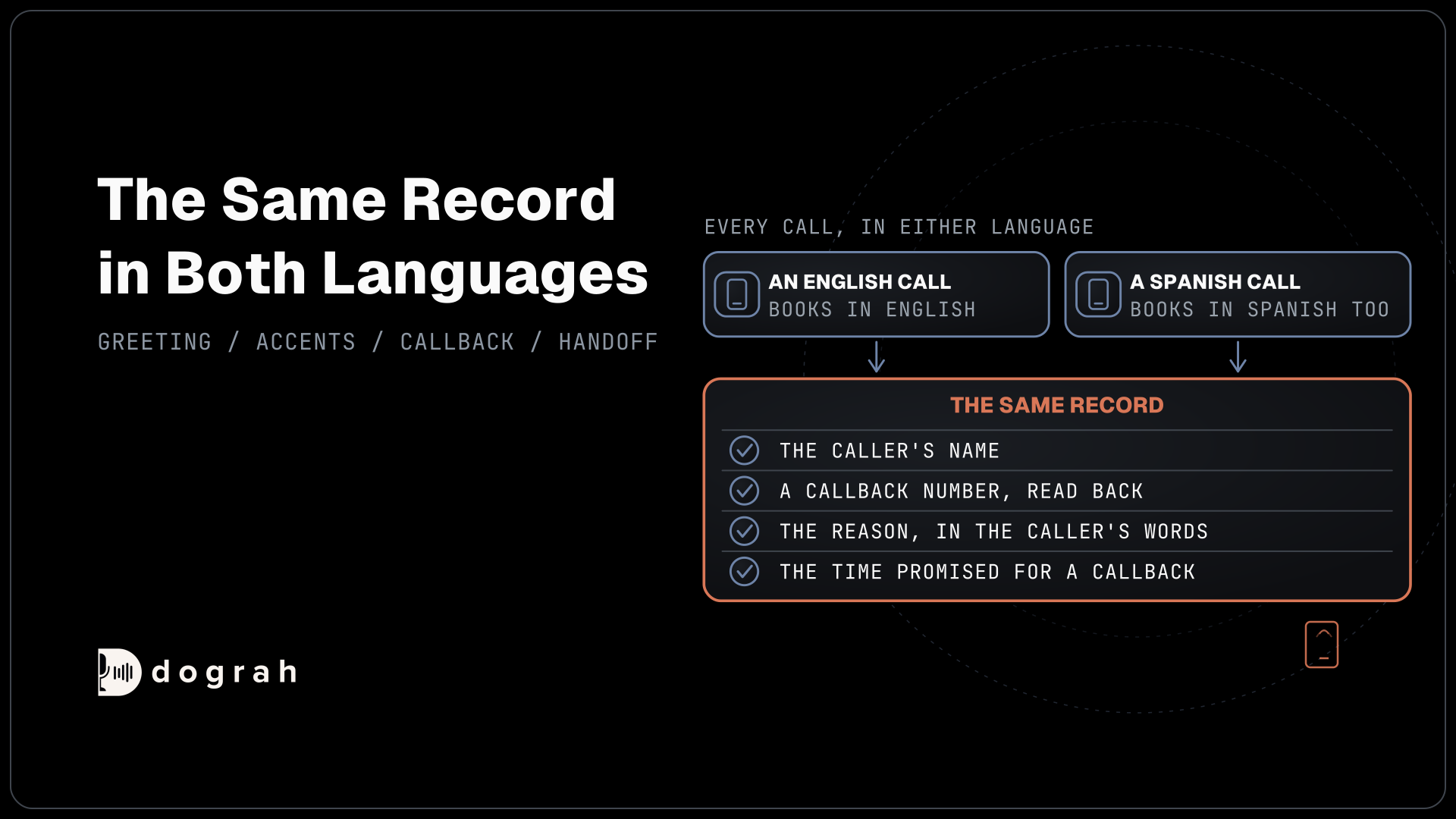
Extras change the price, so ask about the ones you charge for, such as inside the oven or the fridge. Variable extraction, an AI step, saves each answer, and its Extraction Prompt can ask for the caller's own wording, so "around 1,800 square feet" stays an estimate. The call recording remains the exact record.
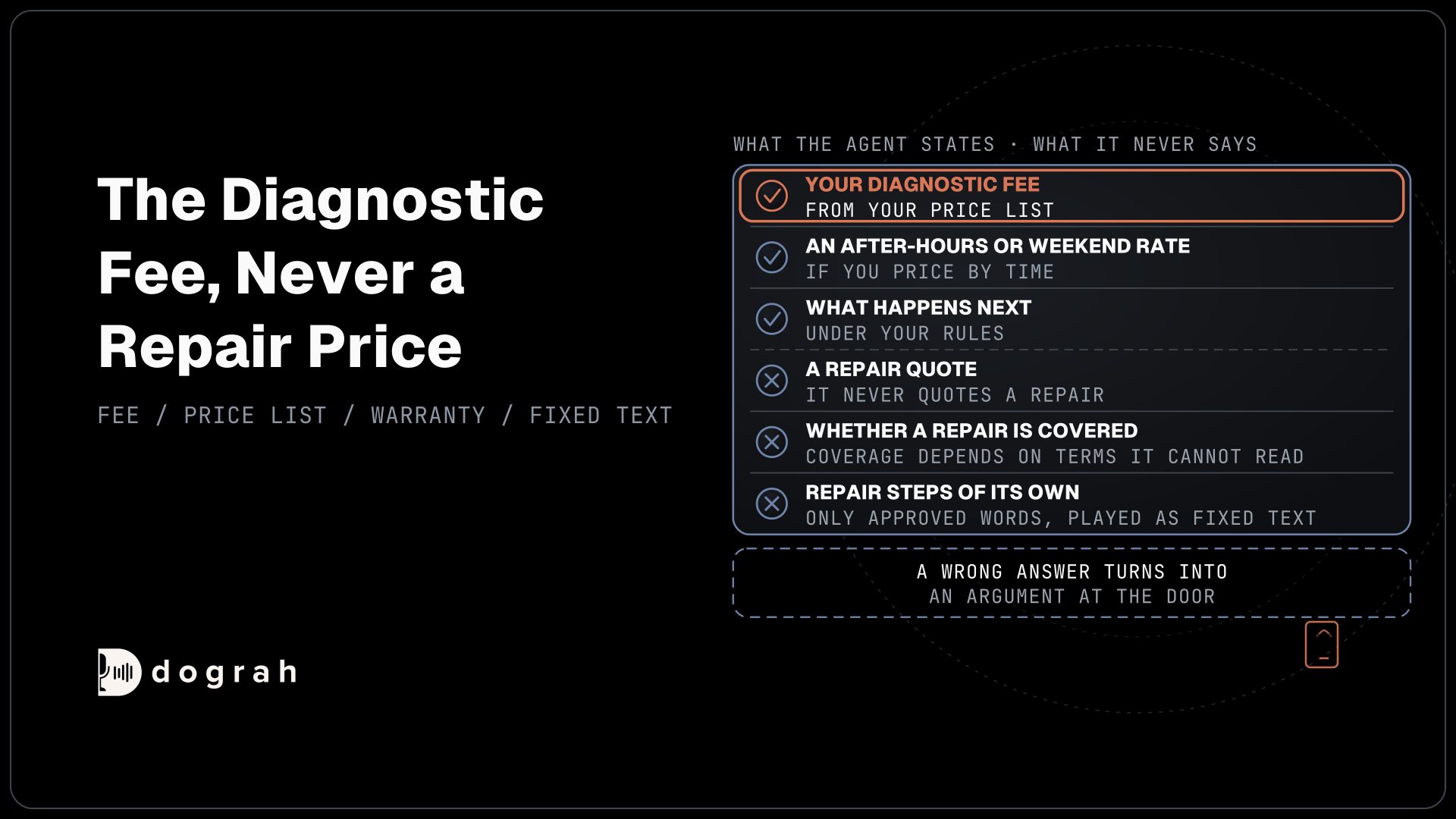
The price itself comes from your list. Upload it as a Knowledge Base file in Full Document mode, which suits a short price list and needs no embedding key, and tell the agent in its prompt to read only the price the list gives for that home and that clean. Our post on a knowledge base for a voice agent covers how to write the file so the agent finds the right row.
A move-out clean needs one more detail, the date the keys go back. The agent records the move-out date and any landlord checklist the caller mentions, and offers only slots before that date. If none are open, it says so plainly and takes a callback request, since a clean booked after the handover is no use to the caller.
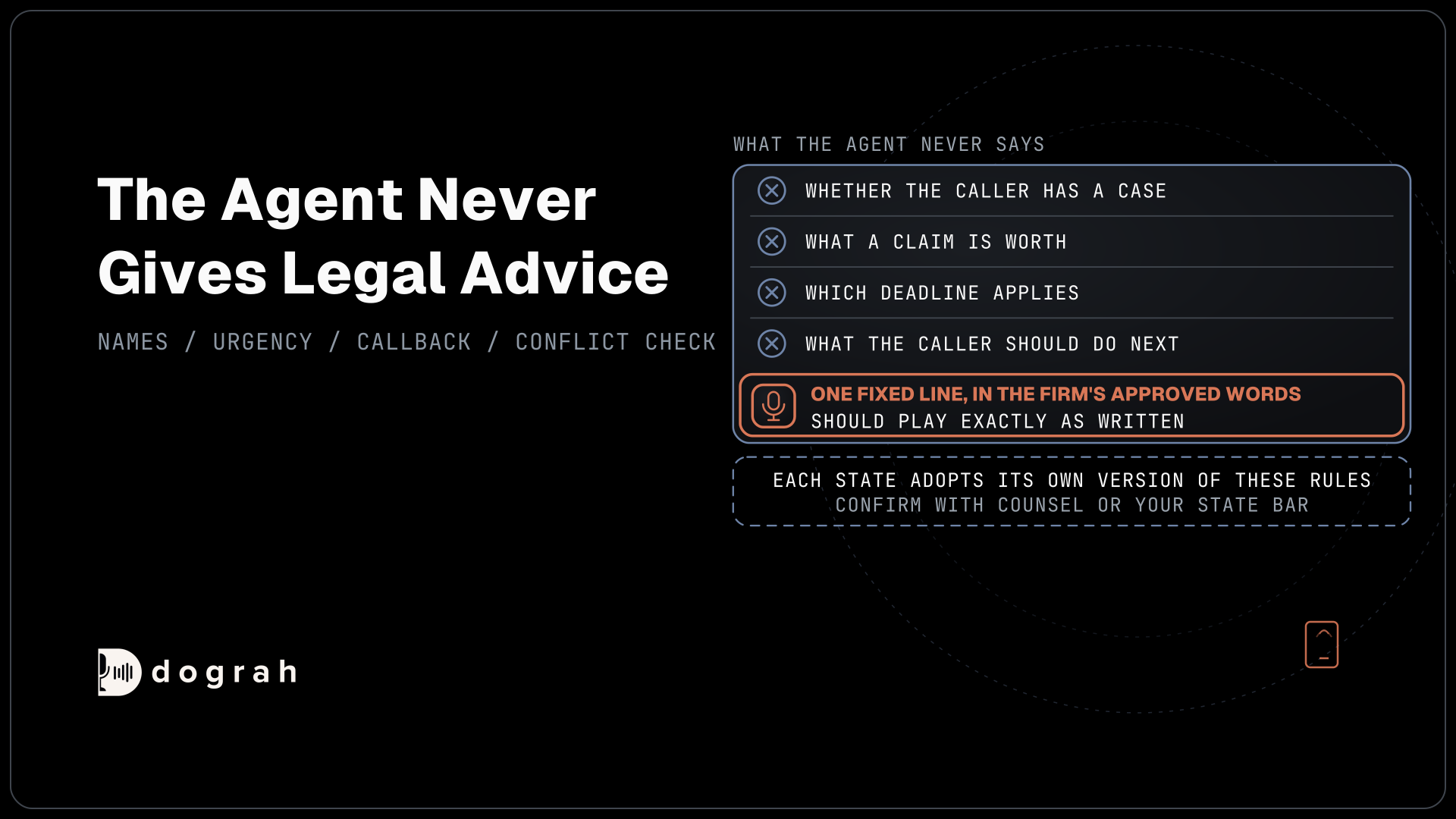
A home that does not fit the list gets a walk-through or a callback from the office, never an improvised number. A five-bedroom move-out with a garage full of boxes is exactly the job where a guess turns into a dispute at the door.
Booking and rescheduling a recurring series
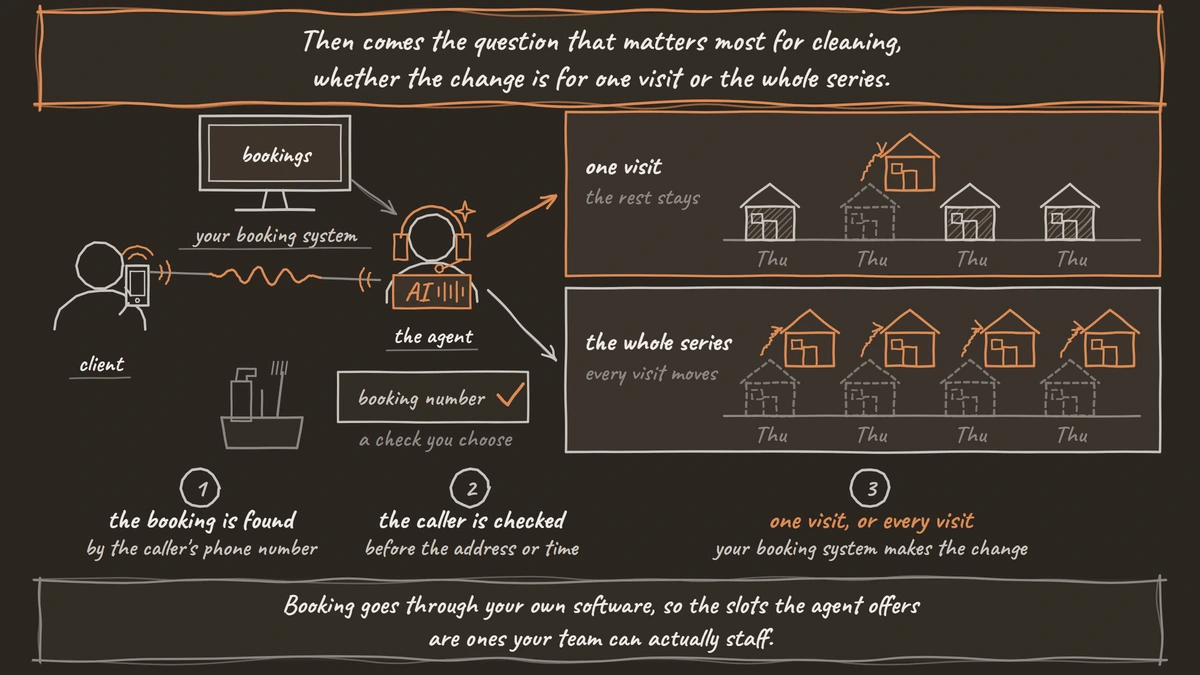
Booking goes through your own software, so the slots the agent offers are ones your team can actually staff. An HTTP API tool asks your booking system for open slots, and a second tool writes the booking once the caller picks one. Pass the call's run ID as a Preset Parameter, workflow_run_id set to {{initial_context.workflow_run_id}}, so your system can spot a duplicate booking from the same call.
Regular clients often ask for the same cleaner. The agent records the request and offers only the slots your software returns for that cleaner, and if none fit it says so and offers the next open slot with someone else.
A change call starts by finding the booking. Pre-Call Data Fetch, set to Inbound calls only, asks your system for the caller's bookings by phone number before the greeting plays. A phone number finds a record but does not prove who is calling, so the agent confirms identity with a check you choose, such as the booking number from the confirmation email, before it names the address or the time.
Then comes the question that matters most for cleaning, whether the change is for one visit or the whole series. Moving one Thursday clean is a small change, while moving every visit can break a route. Our post on rescheduling and cancellation calls for home services covers the rest of the change call, including how to read a cancellation policy.

Open Source Alternative to Vapi / Retell
Self-hosted voice agent platform — no per-minute fees
dograh-hq/dograh
Star on GitHub
Entry codes stay off the call
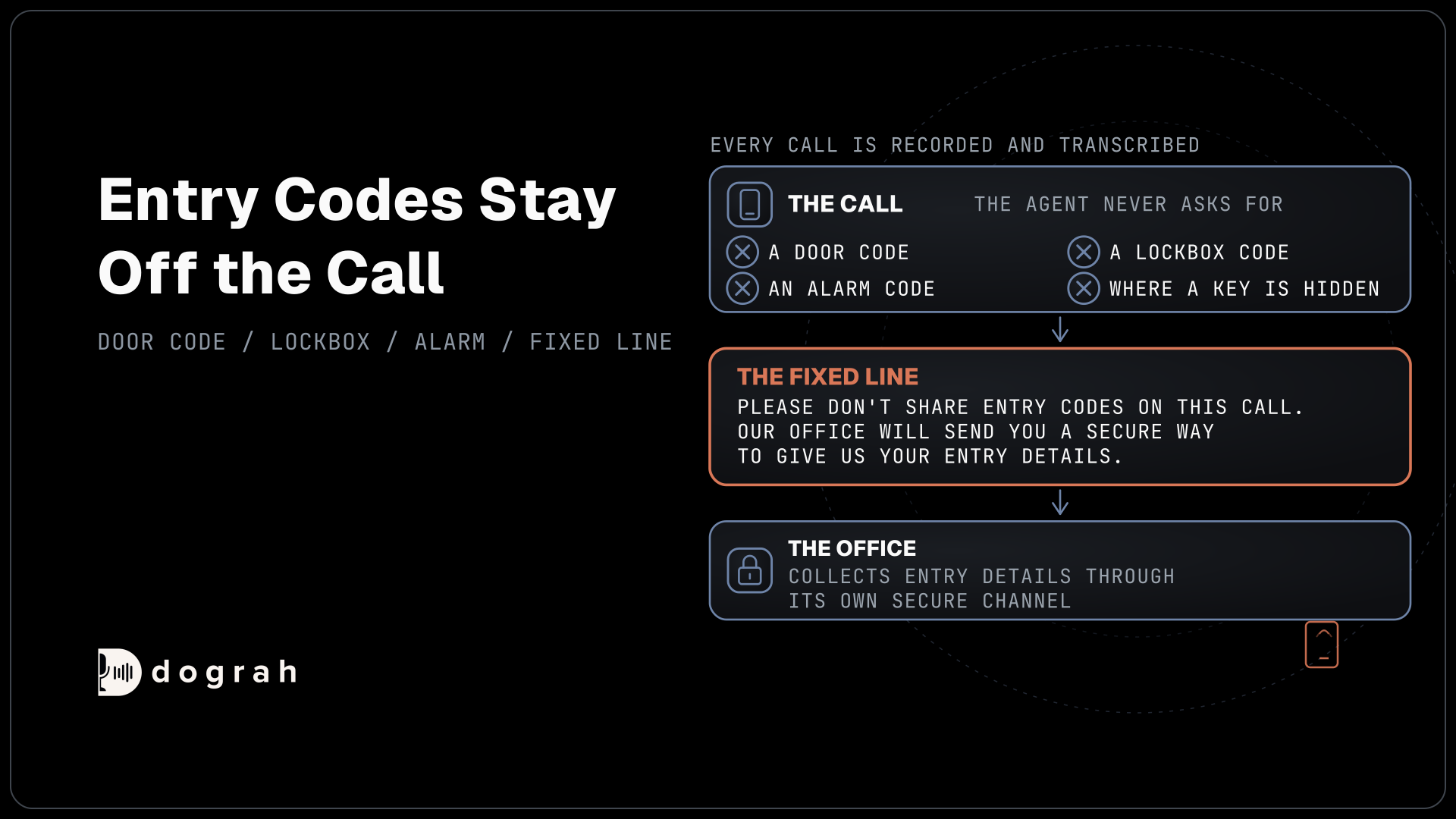
The agent never asks for a door code, a lockbox code, an alarm code or where a key is hidden. Every call is recorded and transcribed, and those records are kept, so a code said on the call lives on in places it should not.
Callers offer codes anyway, often to be helpful. Give the agent a fixed line for that moment, such as "Please don't share entry codes on this call. Our office will send you a secure way to give us your entry details." The office then collects entry details through its own secure channel, whichever one it already trusts for that.
Write the rule into the prompt as well, so the agent never asks how to get in beyond "will someone be home?" A QA check after launch can flag any call where a caller read out a code, so your team can see where the fixed line came too late and change the process before it happens again.
Calls a person should take
Some calls need a person from the first sentence. A complaint about damage, a missing item, a dispute about a clean or a sensitive job such as a hoarding or post-trauma clean goes to the office by transfer or as a callback request, never into the agent's own judgment.
Commercial inquiries usually belong with a person too. An office manager asking about a contract for a whole building wants a site visit and a proposal, so the agent records the building type, the size as stated and how often they want cleaning, then books the visit or a callback.
Injuries get a fixed line first. If a caller describes a chemical exposure or a fall during a clean, the agent says "If you're in danger, get to safety and call 911," and then connects them to a person. Our AI receptionist script templates include sample wording for handing a caller to the office.
Join the Dograh Community
Dograh is an OSS alternative to Vapi. Join our Slack community for queries, releases, best practices & community interactions.
How this runs in Dograh
Calls for the office end in Transfer Call, which works on Twilio, Telnyx, Plivo, Cloudonix and Asterisk ARI. Dograh calls the destination first and connects the caller only when someone answers. No summary travels with the transfer by default, so the agent writes the reason for the call to your system through an HTTP API tool first. The tool's Messages cover the pause with a short line, plus an update if the request runs long. If nobody picks up within the 30-second default, the caller stays with the agent, which takes a callback request. Voicemail is the catch, since a voicemail greeting counts as an answer, so turn it off on the office line you transfer to or set it to answer later than the Transfer Timeout.
Cleaning software connects through its own API where it has one, or through an automation tool such as Zapier or Make in front of it. ZenMaid offers its triggers and actions only through its Zapier integration, while BookingKoala issues an API key for Make and Zapier. A Zapier webhook answers with a fixed reply that carries none of the Zap's results, so through Zapier the agent can send a booking request but cannot read open slots during the call.
Hosting is up to you. On your own servers Dograh charges no per-minute platform fee, while the servers, model keys and phone minutes are still yours to pay for and your team keeps the database and upgrades running. The open-source community handles support, with custom SLAs available on Enterprise. Dograh Cloud hosts it instead for a 1¢-a-minute platform fee, and the models and phone minutes are billed on top.
Glossary
- Walk-through
- A visit to see a home before pricing it. The agent books one when the home's size or condition falls outside your price list.
- Recurring series
- A repeating set of cleans, such as every two weeks. A change call settles whether one visit moves or the whole series does.
- Full Document mode
- A Knowledge Base setting that gives the agent the whole file, with no embedding key needed. It suits a short price list.
- Move-out clean
- A deep clean of an emptied home before the keys go back. The agent records the move-out date and offers only slots before it.